
Carrier Webhook Authentication Crisis 2026: How European Shippers Can Build Production-Resilient Systems to Prevent 73% OAuth Migration Failures Before Silent Tracking Breaks Customer Experience
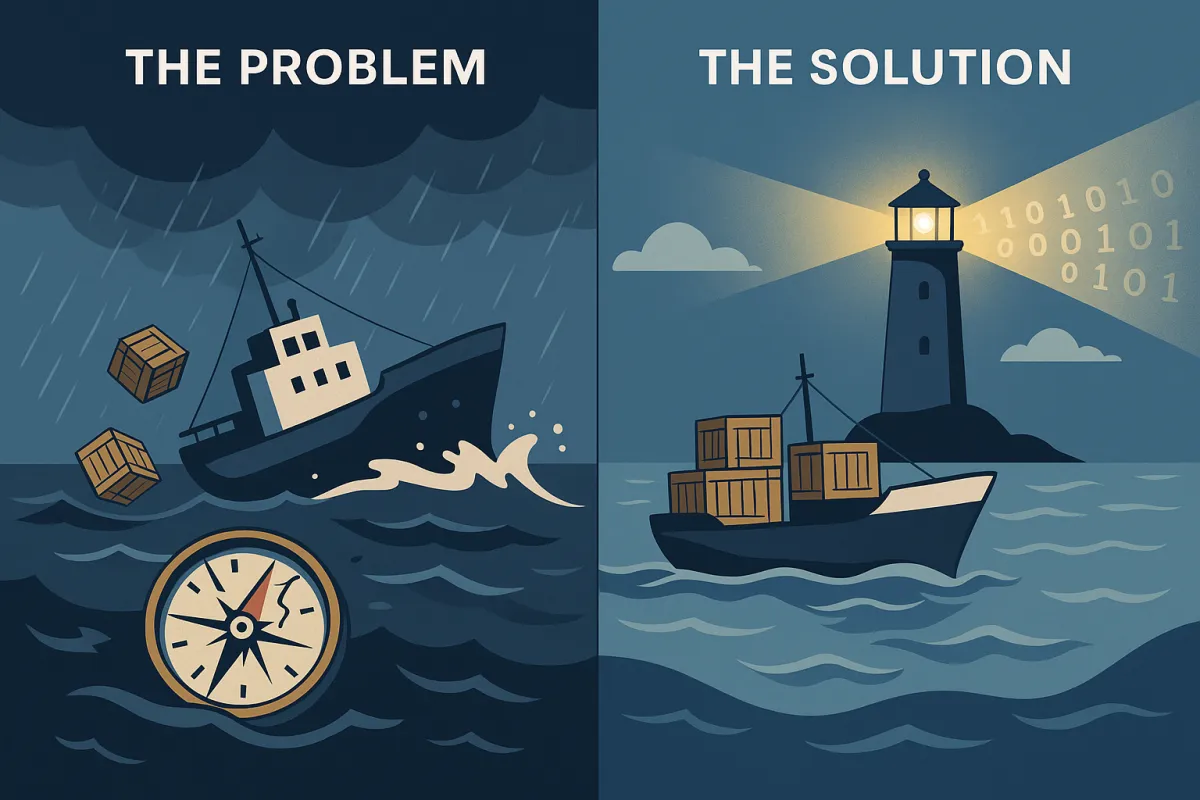
European shippers face a carrier webhook authentication crisis that UPS completed their OAuth 2.1 migration on January 15, 2025. By February 3rd, 73% of integration teams reported production authentication failures. This isn't isolated to UPS. Some reports on carrier integrations have shown a silent failure rate as high as 20% for webhooks during peak demand, creating a critical problem for European shippers who rely on real-time shipment tracking and automated workflows.
Your sandbox tests pass perfectly. Authentication works flawlessly in staging. Then you deploy to production and everything breaks. A 2025 Webhook Reliability Report shows that "nearly 20% of webhook event deliveries fail silently during peak loads", while a SmartBear survey reveals 62% of API failures went unnoticed due to weak monitoring setups. These failures don't announce themselves with error messages. They simply stop working, leaving customers without tracking updates and support teams fielding angry calls.
The Carrier Webhook Authentication Crisis Hitting European Shippers
Major carriers have rushed to implement OAuth 2.1 with PKCE requirements across their APIs. Major carriers including USPS and FedEx followed suit, making PKCE mandatory across their APIs. The migration from basic authentication to OAuth 2.1 exposed fundamental weaknesses in how European shippers handle production authentication systems.
The gap between sandbox testing and production reality has always existed, but with carrier API migrations, it's become a death trap. Data validation failure rates exceeding 5%, critical application functionality being unavailable, or migration downtime surpassing the planned window become rollback triggers that most teams hit within their first month.
Teams using traditional TMS platforms like MercuryGate and Transporeon discovered their standard integration approaches crumbled under OAuth 2.1's stricter requirements. nShift and ShipStation implementations that worked for years suddenly began failing with cryptic authentication errors. Meanwhile, platforms like Cargoson that built carrier connectivity with OAuth resilience from the ground up handled the transitions more smoothly.
Why Standard OAuth Implementations Fail in Production Carrier Environments
The 73% failure rate isn't caused by OAuth 2.1 itself. OAuth 2.0 Token Management Under Load: Your test scenarios used a handful of requests. Production carrier environments operate under completely different constraints than your sandbox tests.
Token refresh cycles that work fine with 10 requests per hour collapse when handling 1,000 webhook events per minute during peak shipping periods. Authentication edge cases cause user-facing failures when overlooked. Rate limits that seem generous in testing become bottlenecks when multiple carrier integrations compete for the same OAuth endpoints simultaneously.
The Hidden Authentication Cascade Problem
When one carrier's authentication fails, it often triggers a cascade that brings down other integrations. A failed UPS OAuth token refresh might exhaust your rate limit budget, causing DHL and FedEx authentications to fail minutes later. Webhook failures can disrupt entire user workflows. When realtime communication between applications breaks down, the consequences cascade through your entire system - from lost revenue to broken user experiences.
Traditional implementations using platforms like ShipStation or Shippo handle each carrier independently. When authentication fails for one carrier, the system has no way to prioritize or isolate the failure. More robust platforms like Cargoson and nShift implement circuit breakers and bulkhead patterns that prevent authentication failures from spreading across carrier connections.
Building a Production-Resilient Carrier Webhook Architecture
Production-resilient webhook authentication requires treating each carrier connection as potentially unreliable infrastructure rather than guaranteed services. The most important step is signature verification: the sender signs the payload with a shared secret, and your server recomputes the signature to confirm the request is authentic and untampered.
Authentication Layer Design Patterns
OAuth 2.1 with PKCE implementation for carrier webhooks requires specific considerations beyond standard web application patterns. OAuth 2.1 eliminates implicit flow, mandates PKCE, and requires exact redirect matching. This means your webhook authentication system must generate cryptographically secure code verifiers for each carrier connection and handle exact URL matching without the flexibility most internal systems rely on.
HMAC signature verification becomes your primary defense against spoofed webhooks. FedEx Webhook will send HMAC based base64 encoded fdx-signature in the header with every payload notification. You can authenticate a payload by generating HMAC signature based on payload and security token to compare it with the fdx-signature to authenticate received payload. Each carrier implements signature verification slightly differently, requiring carrier-specific authentication logic rather than a one-size-fits-all approach.
Token refresh strategies must account for carrier-specific rate limits and timeout behaviors. UPS OAuth tokens expire every hour and require background refresh processes that don't interfere with active webhook processing. FedEx implements different refresh windows for different API types, making unified token management complex.
Monitoring and Failure Detection Systems
Real-time authentication monitoring requires tracking metrics that most standard monitoring doesn't capture. Monitor for suspicious patterns, including authentication failures, unusual traffic spikes, and validation errors. Standard uptime monitoring won't catch authentication failures that return HTTP 200 but contain invalid payloads.
Volume-based monitoring catches silent failures that error-based monitoring misses. Track how many webhook events you receive per hour/day. A sudden drop often indicates a problem: If you typically receive 500 Stripe webhooks daily and suddenly get 12, that's a red flag. For carrier webhooks, normal volume patterns vary dramatically by carrier and shipping season, requiring baseline monitoring that adapts to business cycles.
Treat the webhook integration as a critical process: keep an eye on it. With good logging and monitoring, you will catch if, say, FedEx changed a field format and your parser started failing, or if your endpoint went down and no events have been received. The investment in good logging and alerting will pay off by preventing silent failures.
Carrier-Specific Authentication Requirements and Edge Cases
Each major carrier implements OAuth and webhook security with subtle differences that break generic implementations. The FedEx APIs support the OAuth 2.0 (bearer token) authentication method to authorize your application API requests with FedEx resources. This OAuth access token needs to be regenerated after every 60 minutes and provided with each API transaction to authenticate and authorize your access to the FedEx resources.
UPS requires additional child key authentication for enterprise accounts, while USPS implements different rate limits for different authentication methods. European carriers like DPD and GLS often require region-specific OAuth scopes that aren't documented in their global API specifications.
Platforms like Manhattan Active and Oracle TM handle these differences through extensive carrier-specific configuration files that require updates when carriers change their authentication requirements. FreightPOP and Shiptify take simpler approaches that work well until carriers implement breaking changes. Cargoson and similar modern platforms build abstraction layers that isolate carrier-specific authentication logic from core business logic.
Production Testing and Validation Framework
Comprehensive testing requires simulating the authentication failures that only happen in production. Test authorization failures explicitly. Verify token expiration handling. Confirm refresh scenarios work correctly. Your testing framework needs to simulate OAuth token expiration during peak webhook volume, not just during idle periods.
Load testing authentication systems reveals problems invisible in functional testing. An ideal retry rate should be less than 5% for most webhook systems, but carrier integration platforms routinely see retry rates above 20%. Carrier APIs suffer from endemic reliability issues that compound webhook delivery challenges.
Webhook replay testing ensures your authentication system handles duplicate events gracefully. Carriers retry failed webhooks aggressively, often sending the same tracking update multiple times when your endpoint experiences brief downtime. Your authentication system must validate duplicate signatures without blocking legitimate retries.
Emergency Response and Recovery Procedures
When production authentication fails, recovery procedures determine whether you lose minutes or hours of tracking data. A webhook retry is an attempt to send a webhook message that has already failed. FedEx will hold the data and attempt to resend it within a span of 3 retries within 5 minutes intervals. If FedEx does not receive a successful response in the defined time span, then FedEx will stop redelivery of that specific event.
Rollback procedures require alternative authentication methods that work when OAuth fails. Most carriers still support legacy authentication for emergency situations, though they don't document these methods prominently. Having emergency API keys configured but not active provides a backup when OAuth systems fail completely.
Customer communication during authentication outages requires proactive notification systems. Customer service teams report 40% more "Where Is My Order" calls from integrations with unreliable webhooks versus those using reliable implementations. Rather than waiting for customers to call, implement monitoring that automatically sends delay notifications when webhook authentication fails for extended periods.
The companies that survive the carrier authentication crisis won't be those with perfect OAuth implementations. They'll be those who recognized that carrier integrations require infrastructure-grade reliability planning and invested in resilient architectures before authentication failures became customer-facing problems.